
Freedom Village at Historic Roebling (Florence Twp.)
500 Freedom Blvd, Roebling, NJ 08554
640-200-6700 (Ph), 640-200-6701 (Fax)

Mary Ann Calley, Property Manager
Lindsey Byrnes, Assistant Property Manager
Dara Johnston, Regional Manager
Virginia Booth, Director of Property Management
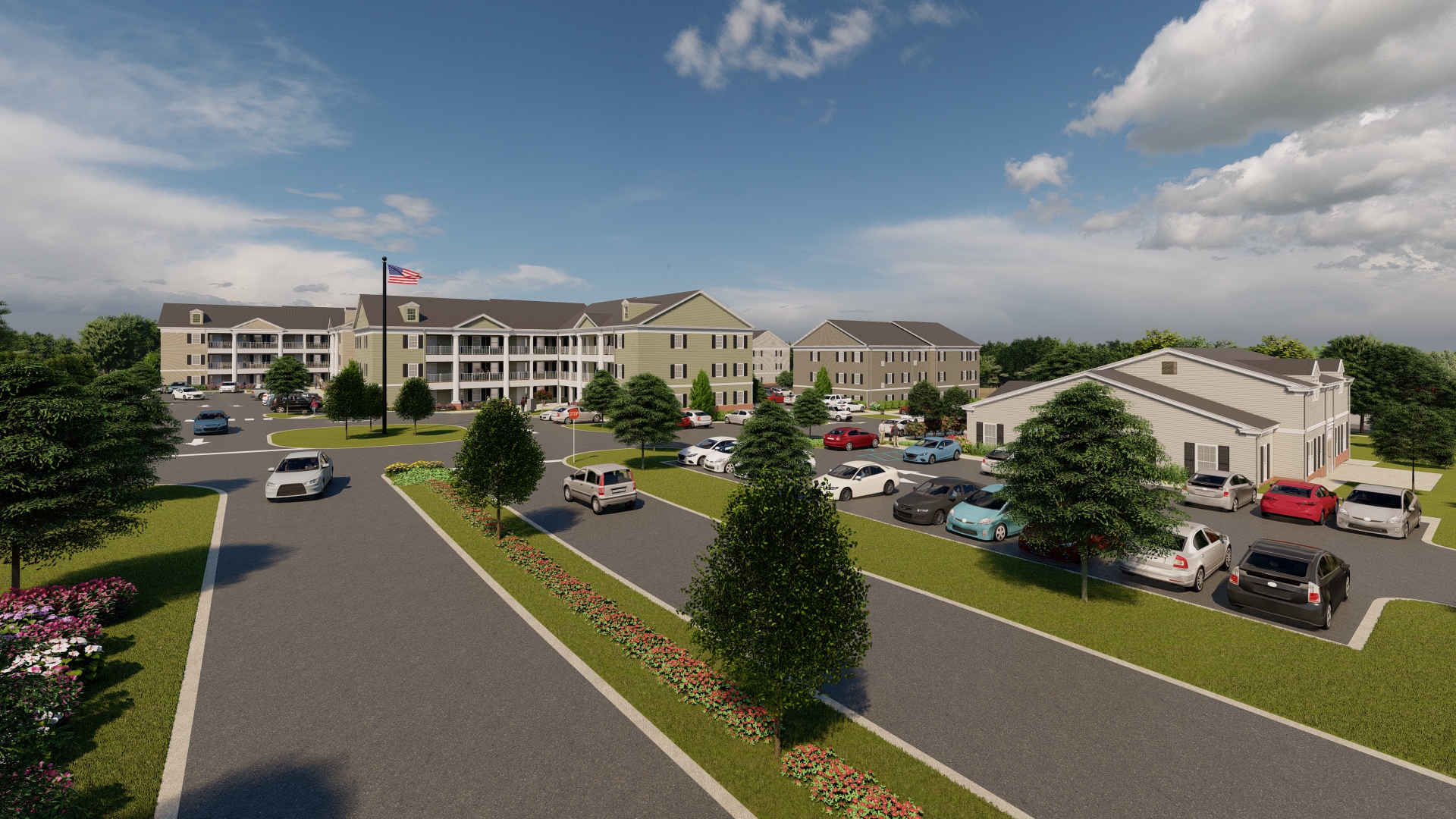
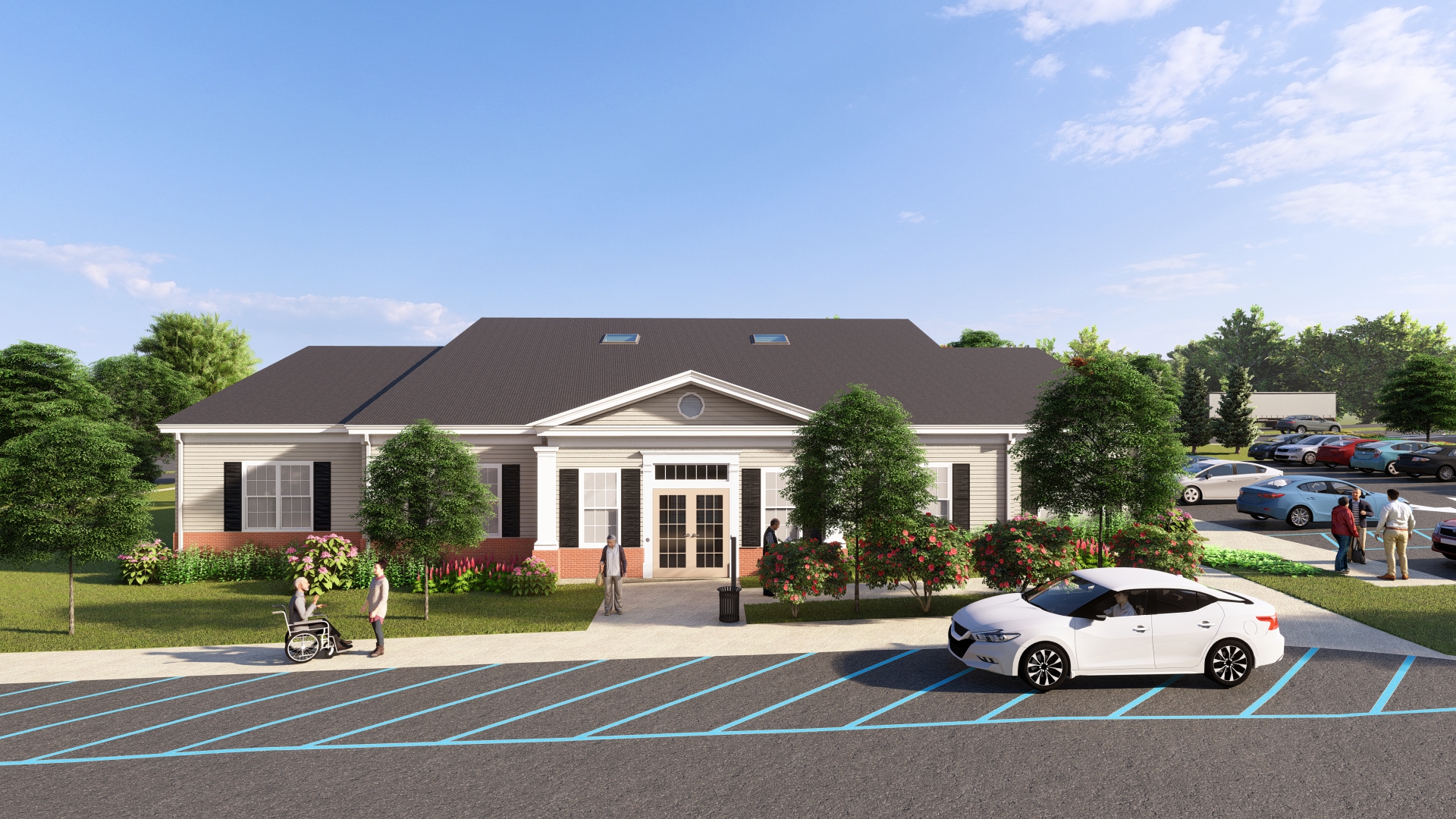
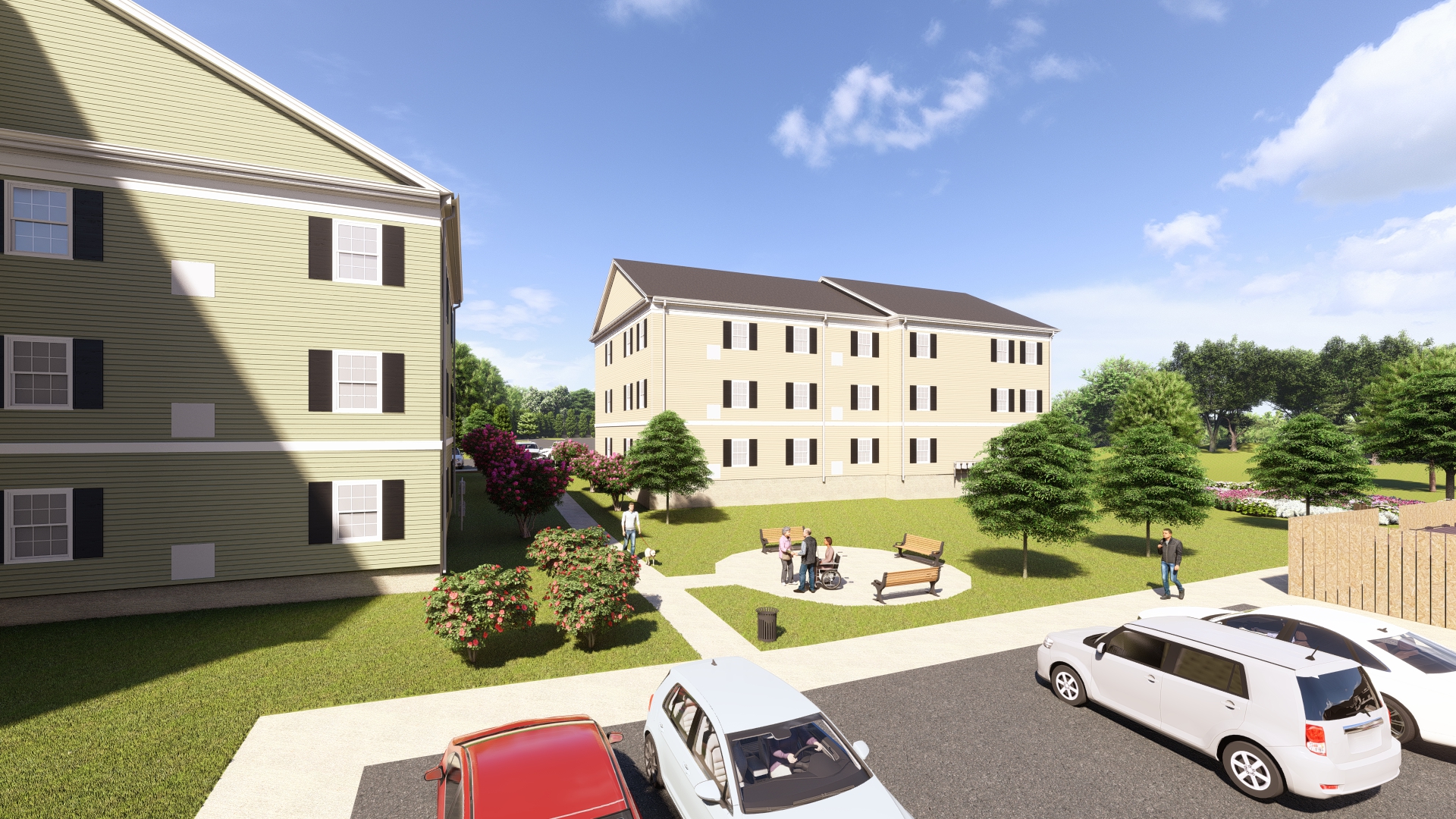
This seventy-two-unit apartment community features one-, two-, and three-bedroom apartments surrounding a large Community Center. The buildings will be three stories with private entrances in front and will be barrier-free and accessible for people using wheelchairs. The buildings will have elevators, and central heat/air conditioning that incorporate Energy Star design features as well as being LEEDs-compliant. Ample off-street parking adjacent to each building will provide easy access to each unit.

Roebling: A little hamlet with a whole lot of history and a growing attraction for tourists
FLORENCE — Driving through the village of Roebling, you might think it’s just an ordinary town.
But the 1.2-square-mile village in the heart of Florence Township is actually full of history, according to the Roebling Museum’s Erica Harvey.
“There’s so much more here than just a little town,” said Harvey, a volunteer and program coordinator for the museum.
The little hamlet of tidy streets filled with row homes has been standing relatively unchanged for more than 100 years. Originally built as a planned community for hundreds of workers at the John A. Roebling’s Sons Co. steel plant, the village survived the plant shutdown in 1974 and a subsequent Superfund toxic waste cleanup that cost tens of millions of dollars.
A museum that opened on the grounds of the former steel plant in 2009 has played a lead role in putting a new face on the community, even as bulldozers and dump trucks have leveled and carted away the pieces of numerous old factory buildings nearby that — although elegant, old industrial structures — represented a toxic threat to the landscape.
“Originally, the Roebling Historical Society saw that the mill site was dilapidated and they negotiated with the Environmental Protection Agency and Florence to have a museum,” Roebling Museum Executive Director Patricia Millen said.
“It was too big for the historical society so a board was formed. They worked for years to turn this place into what it is today.”