From Normans Desk – September 2018

This month marks seventeen years since the attacks of September 11th.  

For many, the memory of that awful day is fading, but my memories are vivid down to my shirt and tie.  The day started out so bright, beautiful, and refreshing and  ended so dark and frightening.  September is also National Preparedness Month when preparedness experts try to catch your attention to prepare for another, inevitable, dark and frightening day.

Every year since the attacks, I choose to honor three fragments that create my memory of that day.  First, I honor the life of my friend and colleague Colleen Fraser who died on Flight 93 with those other selfless heroes who may have saved the Capitol or the White House or thousands of other lives.  Colleen was a fighter, and she was in good company that morning fighting to take back that plane.

Second, I remember the lives of the 343 FDNY firefighters who died that day.  Most knew going into those buildings that some of them would not come out alive.  They knew this instinctively by virtue of their experience and profession.  They still went in with police officers and EMS personnel to save those who could not save themselves.  They went in to save people with disabilities.

And, yes, thirdly, I remember those people with disabilities who died that day in those towers.  I was not     watching the horror on television that morning.  I had a meeting at 10 o’clock and during that meeting I spoke of Colleen and wanting to connect her with someone.  Later, someone told me of the collapse.  My very first thought was that many firefighters had just died; my immediate second thought was that many people with disabilities had died as well.

How many people with disabilities died that morning may never be known.  We do know that the corporations and government agencies housed in those towers hired people with disabilities.  We do know that some people with disabilities made it out because they had a plan, their company had a plan, or some colleague or friend took the initiative to get them out.   We do know that others stayed behind not wanting to burden friends, not wanting to get in the way, or just having unwavering faith that the FDNY would get to them.  We also know that loyal friends stayed behind with them.  We know that some people with disabilities who stayed were rescued but many died with their rescuers.

Every victim of these attacks needs to be remembered and honored.  I feel a personal duty to honor Colleen, The 343, and those almost nameless people with disabilities who stayed behind.

Let us all remember the victims and the heroes of September 11, 2001, by getting prepared and staying  prepared.  You never know how a bright, beautiful, and refreshing day may end.   Check out my Emergency Preparedness Desk page on this site by clicking here.

DISABLED GROUPS ARE UNITING AGAINST STARBUCKS’ PLASTIC STRAW BAN

By Jason Hopkins, DailyCaller.com  August 23, 2018

Disabled advocacy groups are calling on Starbucks to reverse its phase-out of plastic straws from its stores, highlighting the controversy of the decision.
An international coalition of disabled rights groups sent a letter to Starbucks CEO Kevin Johnson, stating that his company’s decision to phase out single-use plastic straws has fomented “considerable anxiety” among the disabled community. The letter calls on Starbucks to research an alternative that satisfies both environmental concerns and disabled customers.

“It has been just over one month since your announcement of Starbucks’ intention to eliminate single-use plastic straws globally by 2020 caused considerable anxiety among the disabled community. Furthermore, the ambiguous follow-up statement has done little to reduce these concerns and has led to many disabled people feeling excluded by the world’s largest coffee chain,” read a portion of the letter to Johnson.  Click Here to Read More

She cleaned for $3.49 an hour. A gas station just offered her $11.25.

Colton Channon needed just 90 minutes each day.

Every morning for about a month, in training designed for him, the high school senior with an intellectual disability practiced making steel brackets for trucks at a Des Moines factory. The skill took more than a few tries to master. But his co-workers, he said, cheered him on.

A supervisor stayed close, showing him how to pack the parts neatly into boxes that would ship to Ford, Honda and General Motors. And the effort produced something the 20-year-old once deemed distant: A job offer he could see turning into a career.

s the nation’s unemployment rate nears the lowest point in 50 years, sinking in May to 3.8 percent, companies are searching more widely to fill vacancies. Advocates say the labor shortage, coupled with growing openness to workers with mental and physical limitations, has brought record numbers of people with disabilities into the workforce — and it has also pushed employers to adopt more inclusive practices to support the new hires, such as longer and more hands-on training.  Click Here to Read More


‘Disabled People Are Not Part of the Conversation.’ Advocates Speak Out Against Plastic Straw Bans

By GINA MARTINEZ  Time.com, July 12, 2018

Some disabled rights advocates are speaking out against an emerging trend of restaurants and other companies phasing out the use of plastic straws with drink orders, arguing that the alternatives can be inadequate for customers with various disabilities.

Plastic straws have been disappearing from coffee shops, airlines, hotels and more amid concerns that they frequently wind up as ocean waste, presenting an environmental hazard. The campaign against them accelerated this week amid news that major companies like StarbucksAmerican Airlines and Hyatt are drastically reducing their use, in some cases opting for straw-less plastic tops on some drinks instead.

But disability advocates say they feel the campaign against plastic straws is being waged without adequate input from disabled customers.

Click Here to Read More

It Shouldn’t Be This Hard for a Woman in a Wheelchair to Get a Pedicure

BY      Glamour.com  –  AUGUST 7, 2018

Early last week a screenshot of a Yelp review for a nail salon started surfacing on Facebook. In the post, a woman from St. Peters, Missouri, a suburb of St. Louis, wrote about the shock and frustration she felt when a salon manager turned her daughter Beth away from getting a pedicure. The reason, Mintner claimed: because Beth was in a wheelchair.

Like Beth, I live in suburban Missouri, I use a wheelchair, and I enjoy getting my nails done. I also understand that the fairly uneventful experience is uniquely different when you have a disability. It doesn’t change the way kicking back in a massage chair makes you feel—that’s still heaven—but when you’re unsure about how willing a salon will be to accommodate you, something as relaxing as a spa day can be the source of stress and anxiety.

Click Here to Read More

From Norman’s Desk – August 2018

This year will be the 23rd time in my life that I cast a vote for a member of Congress.  I remember back in 1972 being forced to vote two weeks ahead of time by absentee ballot because my polling place was not accessible.  I remember in 1992 being challenged at the poll because of disability, and I remember the empowerment I felt by calling a state hotline while at the poll to “fix” the situation to my satisfaction.
Times have changed for people with disabilities in terms of voting ease.  Now most polling places and polling booths are accessible. Voting early by mail is encouraged for everyone in many states.  Yes, there are still barriers to voting—especially in other states, but there is no excuse for any person with a disability not to vote. Nothing about us without us, right?

But I want to talk about something besides voting. I want to talk about people with disabilities getting involved with political campaigns.  I have done it twice when I first starting out.  I worked on a statewide Republican campaign for governor and a county campaign for a Democrat.  They both lost, and that may be a commentary of the type of person I support. 

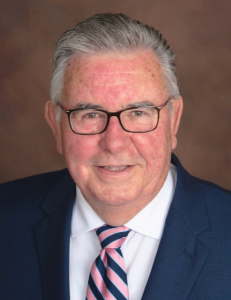
Norman A. Smith, Associate Executive Director

Nevertheless, these campaigns opened doors for me, and, more importantly, these candidates, their staffers and supporters gained a greater understanding of my needs as a person with a disability.  This was a great asset in advocating on disability issues through these same people over the years.

“Nothing about us without us” can take many forms at all levels of government.  But we need to be involved to make this come true!  We need to be involved from the start by voting!  Before we go to public meetings, before we demonstrate, before we sit-in, before we get arrested, WE NEED TO VOTE!!!  The rest is meaningless unless we exercise our right to vote. 

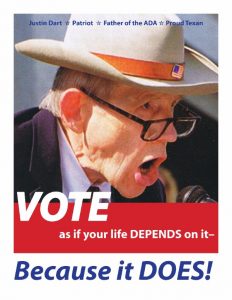
To paraphrase our great leader Justin Dart: We need to vote as if our lives dependent on it!   We all need to vote on November 6! 

“My Two Cents” – August 2018

Tim Doherty, Executive Director

“What goes around, comes around.” 

“What once was old is now new.”       

I am sure we have all heard theses phrases before, so you won’t be surprised when I tell you that I am referring to issues revolving around Affordable Housing in New Jersey.

Yesterday I attended an open hearing of the Assembly Committee Housing.  The committee members were called together by chairman Benjie Wimberly (D. Passaic) to discuss the state of affordable housing and the complaints of several Towns about the burden that affordable housing will place on their towns.  This is the result of COAH not passing third round rules back in 2015, so the Towns have had to go to the Courts to resolve these issues.  Most have settled with Fair Share Housing and have had their affordable housing plans approved by the Courts, however with numbers that they still don’t like.  And so, a call for a return of COAH to administer these plans and settle these issues.

That would be all well and good, if COAH had been allowed to work as it originally was set up.  In the early days, the COAH board was a bi-partisan Board and would work with towns to discuss their affordable housing issues and ultimately arrive at a settlement.  However, the towns still railed against having to do their housing obligations, so then governor Christi’ sought to marginalize COAH to the point that it was no longer able to function.  Ultimately, The Supreme Court ruled that until COAH is reconstituted, Towns would have to have their housing plans certified by the courts.  So that is where we are today.

Settling through the Courts was always an option, however today it is the place of last resort, so that Towns now must finally settle, establish their plans and then help to get the construction done.  This is what they don’t like.  At yesterday’s hearing, I heard a lot of statements from the members of the committee, as well as from the mayors of many towns, of how they support affordable housing      however they are worried that they don’t have sufficient infrastructure within their towns, to manage this new growth.  They fear overbuilding of the town, overcrowding in their schools, and higher taxes.  All this really without having any new construction being built yet. 

So, this clearly is still a very big issue for towns in New Jersey.  We are yet to hear about the new Governor’s position on Affordable Housing.  Will the Governor re-institute COAH or a like body that will take up these issues and remove them from the courts.  Or will he allow the process to run its course, through the judicial system, ultimately having judges making the decisions as a Town’s      affordable housing plans.

My experience has been that even when COAH was an active body, some towns would still delay, and throw up barriers as to why they couldn’t comply with the law.  However, with the issues in the hands of the courts, Towns have been forced to settle and move on.  My recommendation would be to stay the course, allow the Courts to do their job, and settle these issues.  No longer are towns     allowed to get away with delay after delay, hoping for some governor or new legislature to change the law.  Given some time, we will begin to see new housing develop that will ease the burden of those who need it.  Finding decent and affordable housing should be something that we should all support.

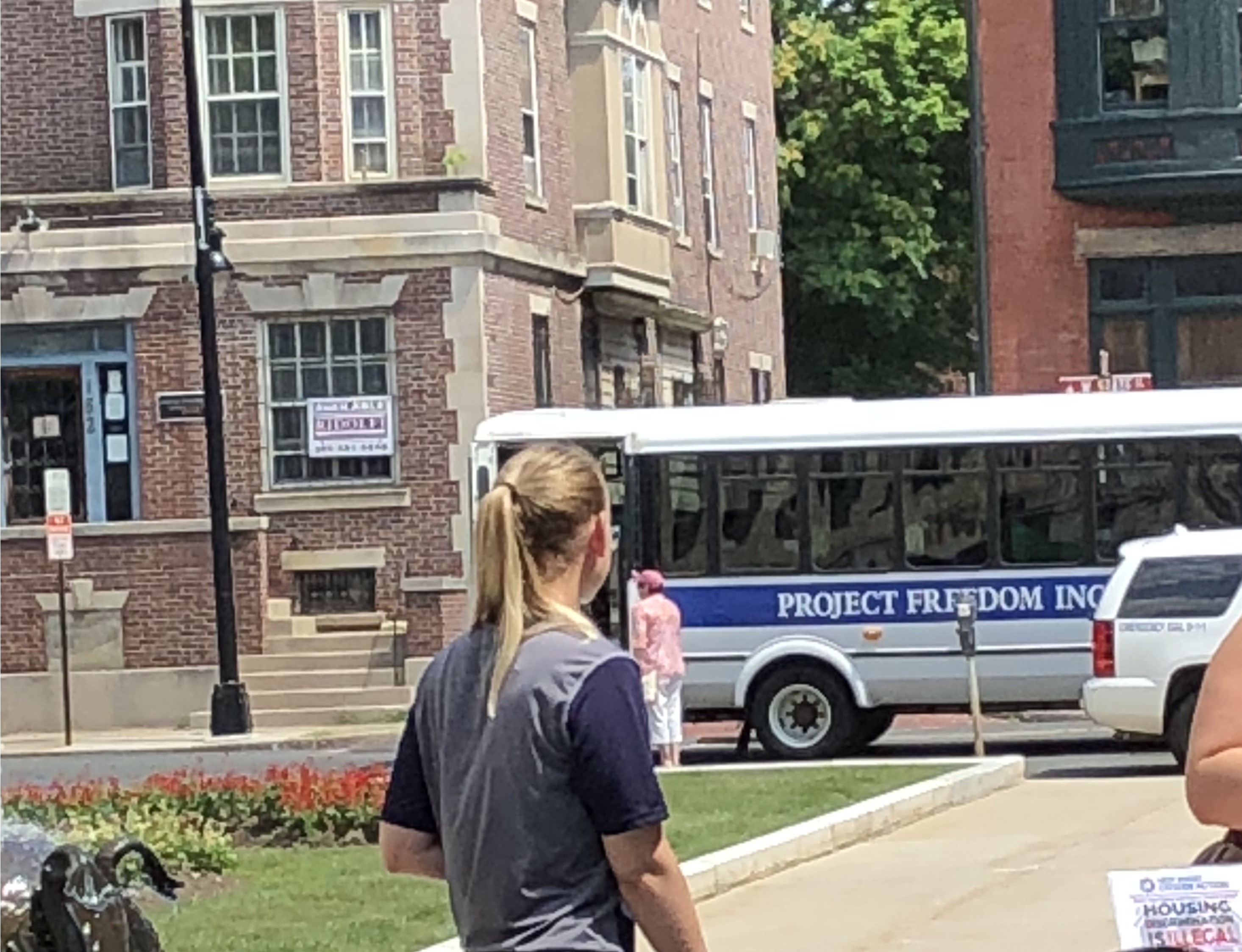
Project Freedom Tenants RevUp the Vote

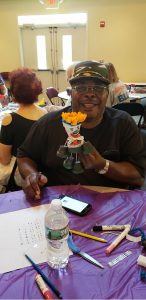
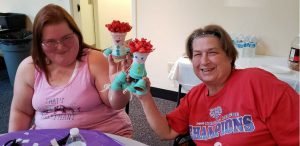
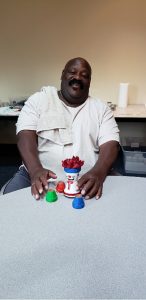
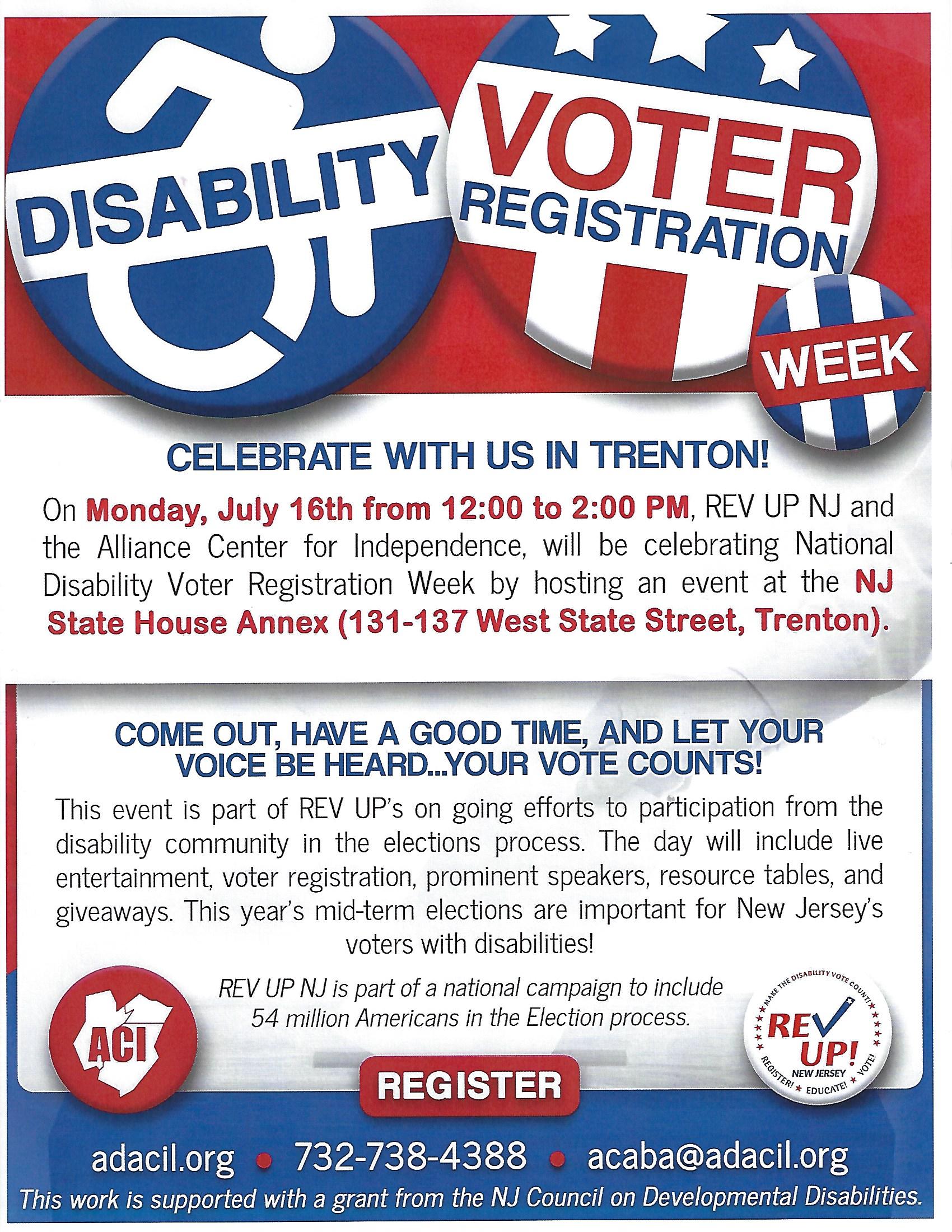
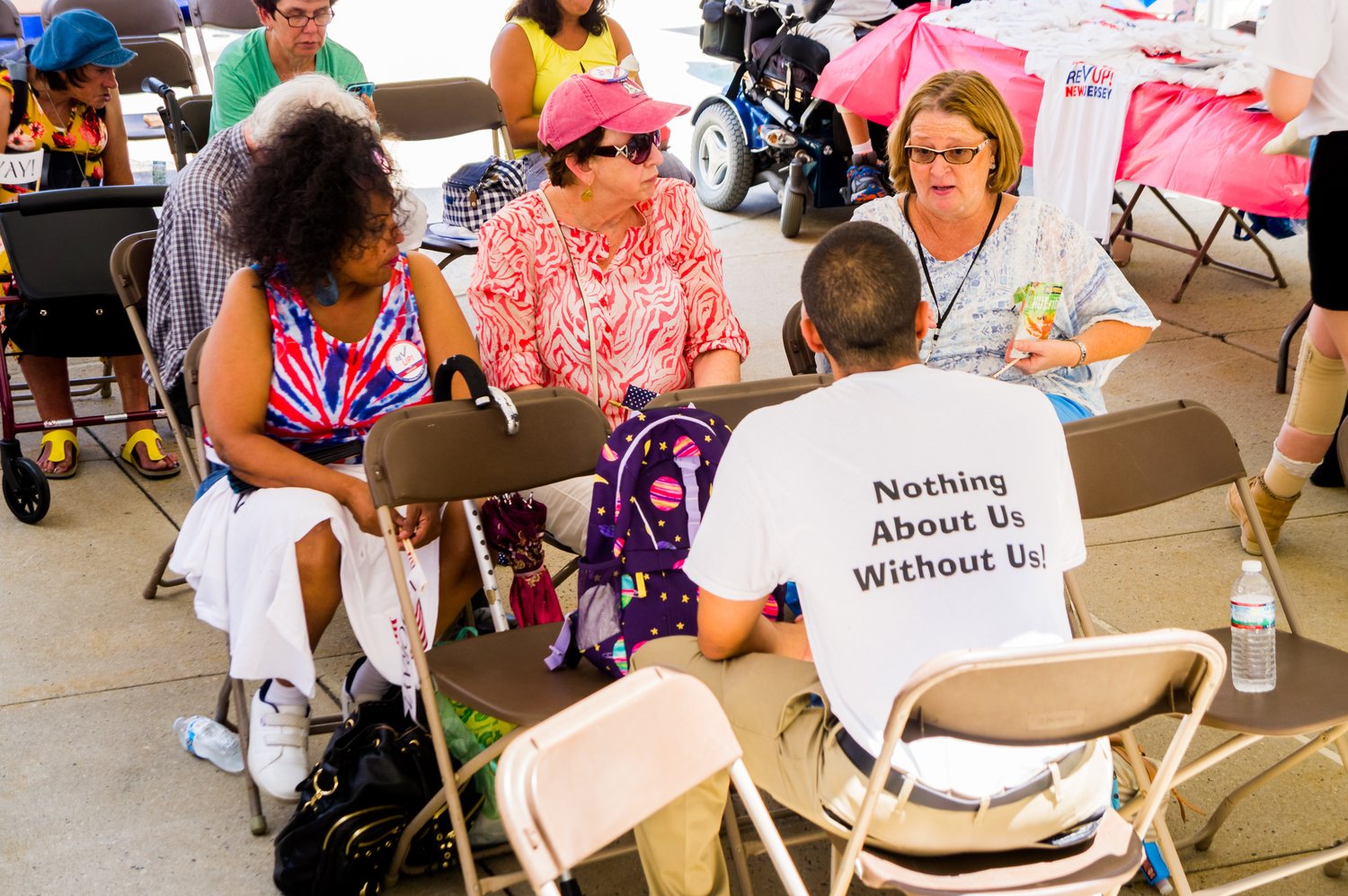
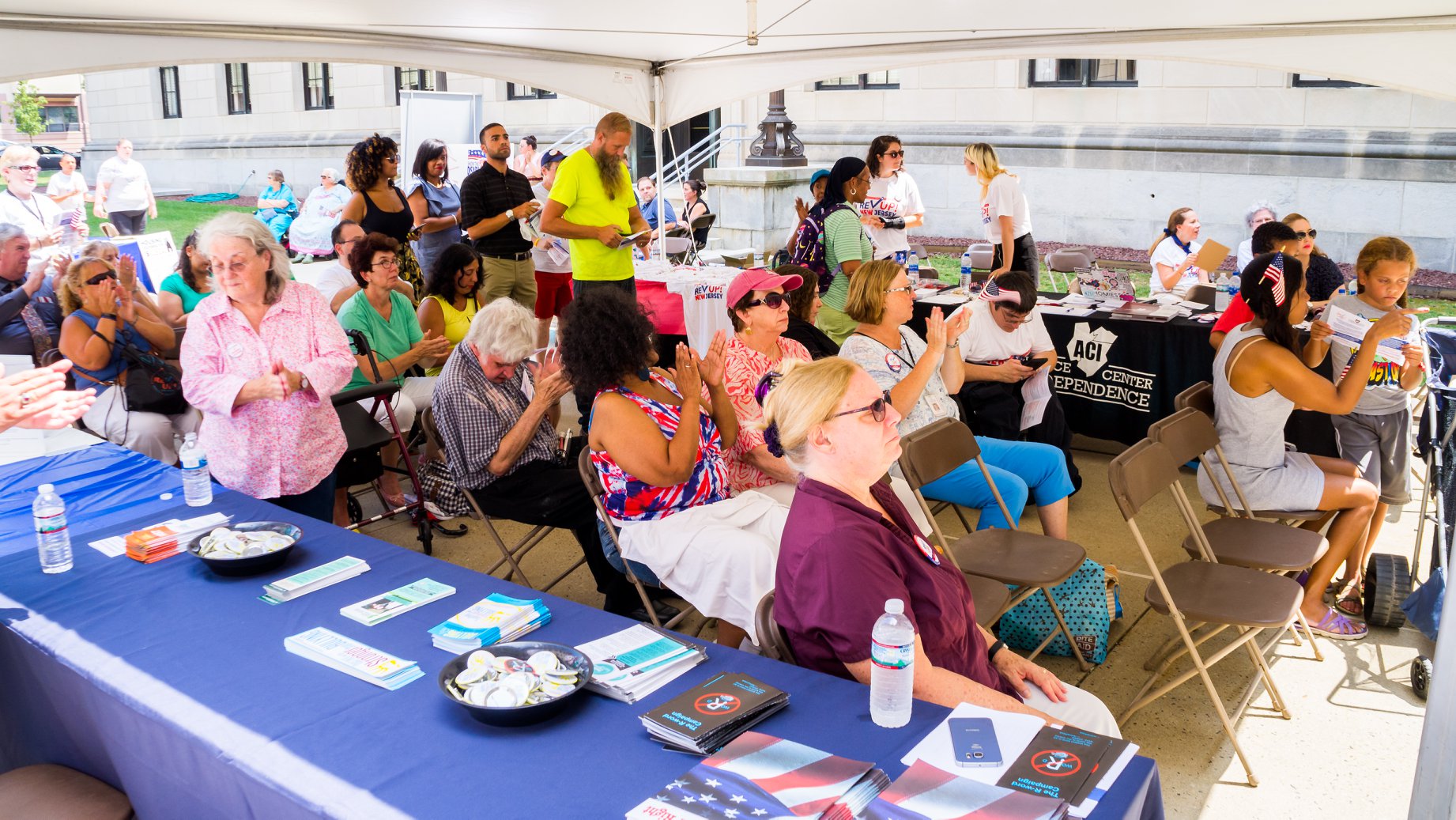
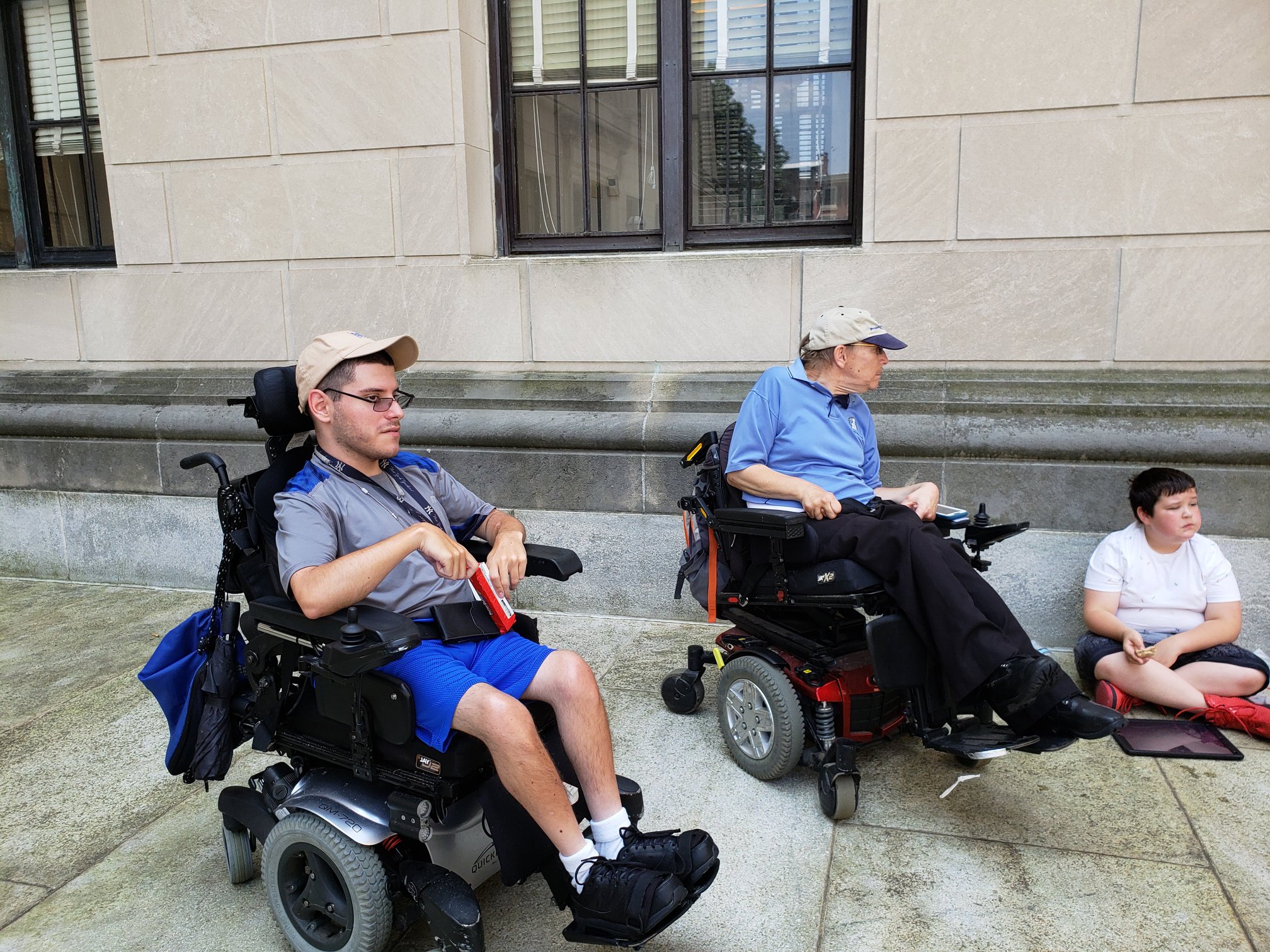
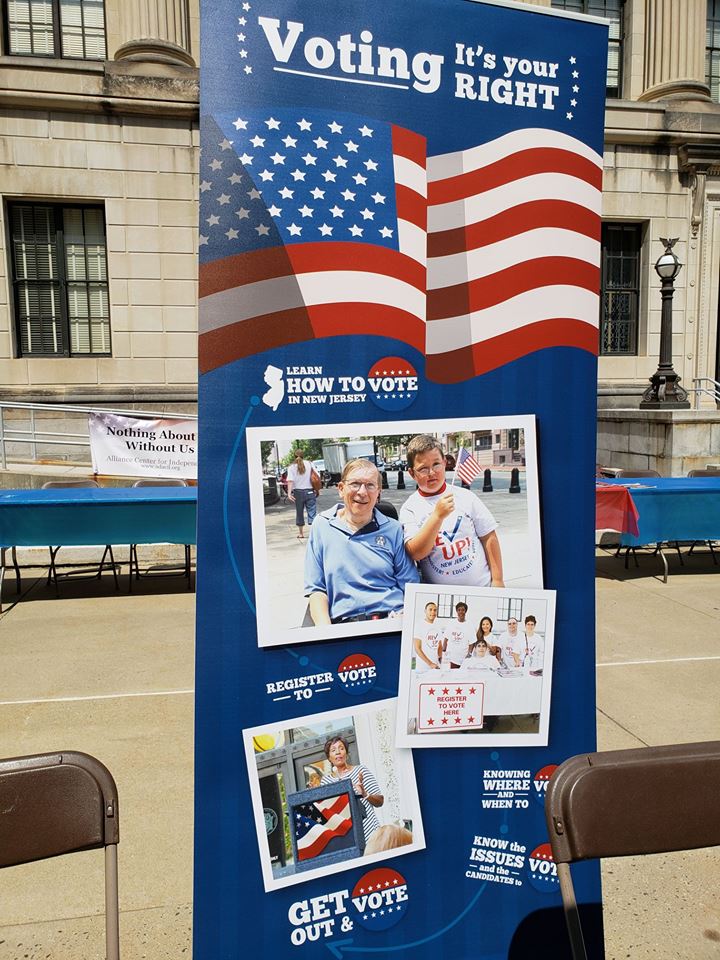
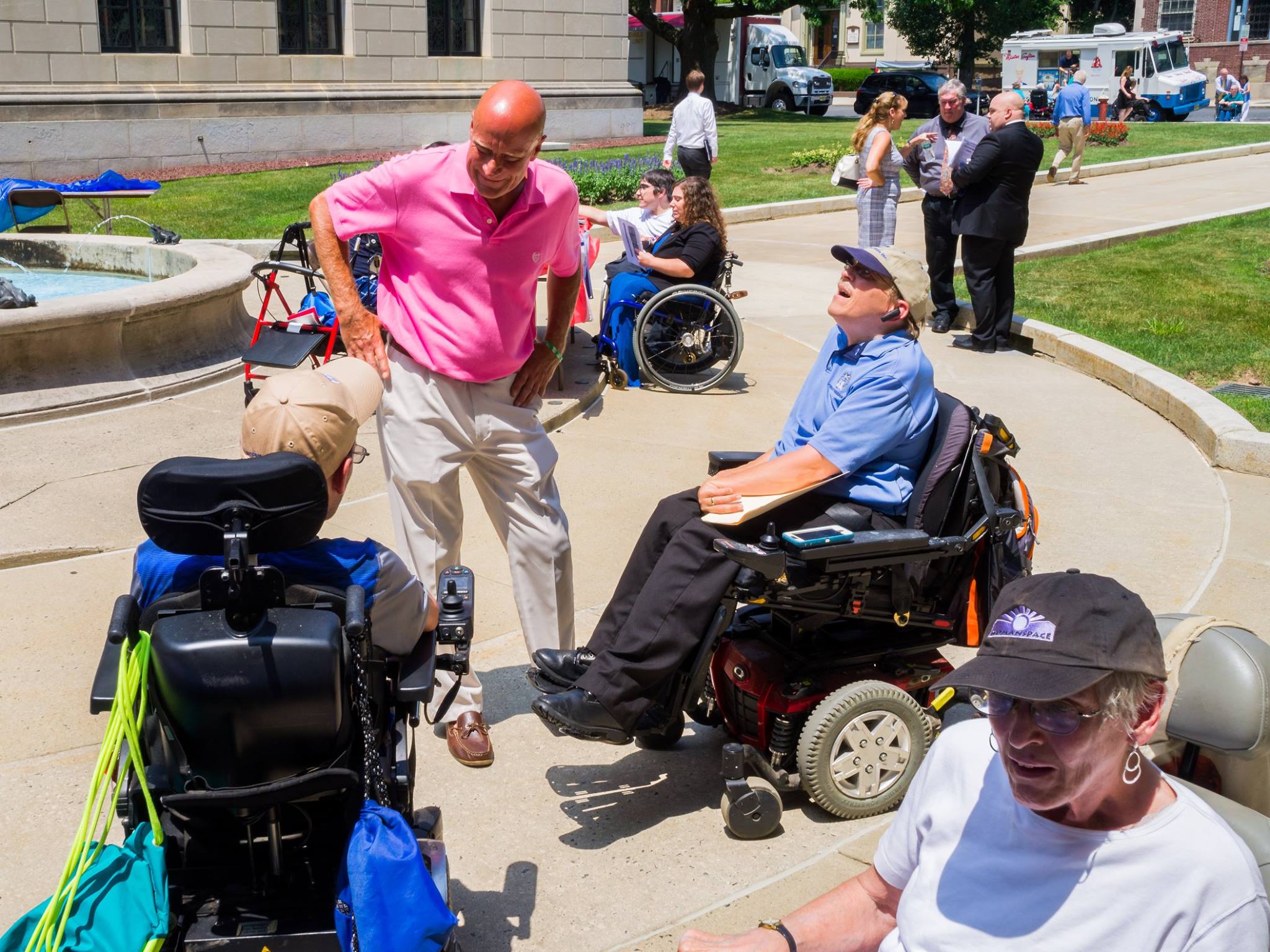
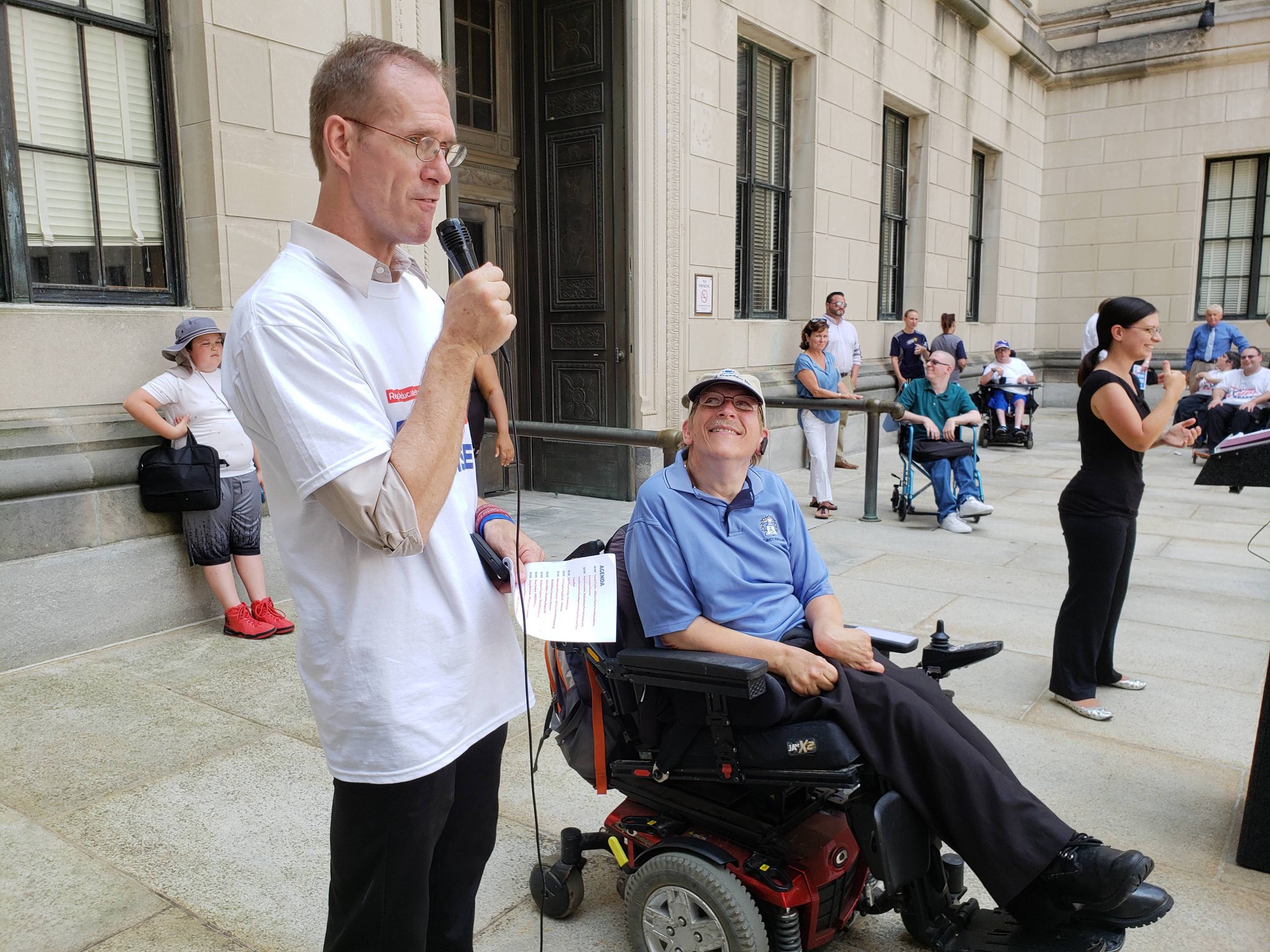
Nearly 20 tenants from Project Freedom’s Mercer County housing complexes attended the RevUpNJ’s kickoff rally during National Disability Registration Week. 

RevUp is a national nonpartisan effort by the American Association of People with Disabilities (AAPD).  RevUp-NJ is organized by the Alliance Center for Independence (ACI) based in Edison, and it is sponsored by the NJ Council on Developmental Disabilities.

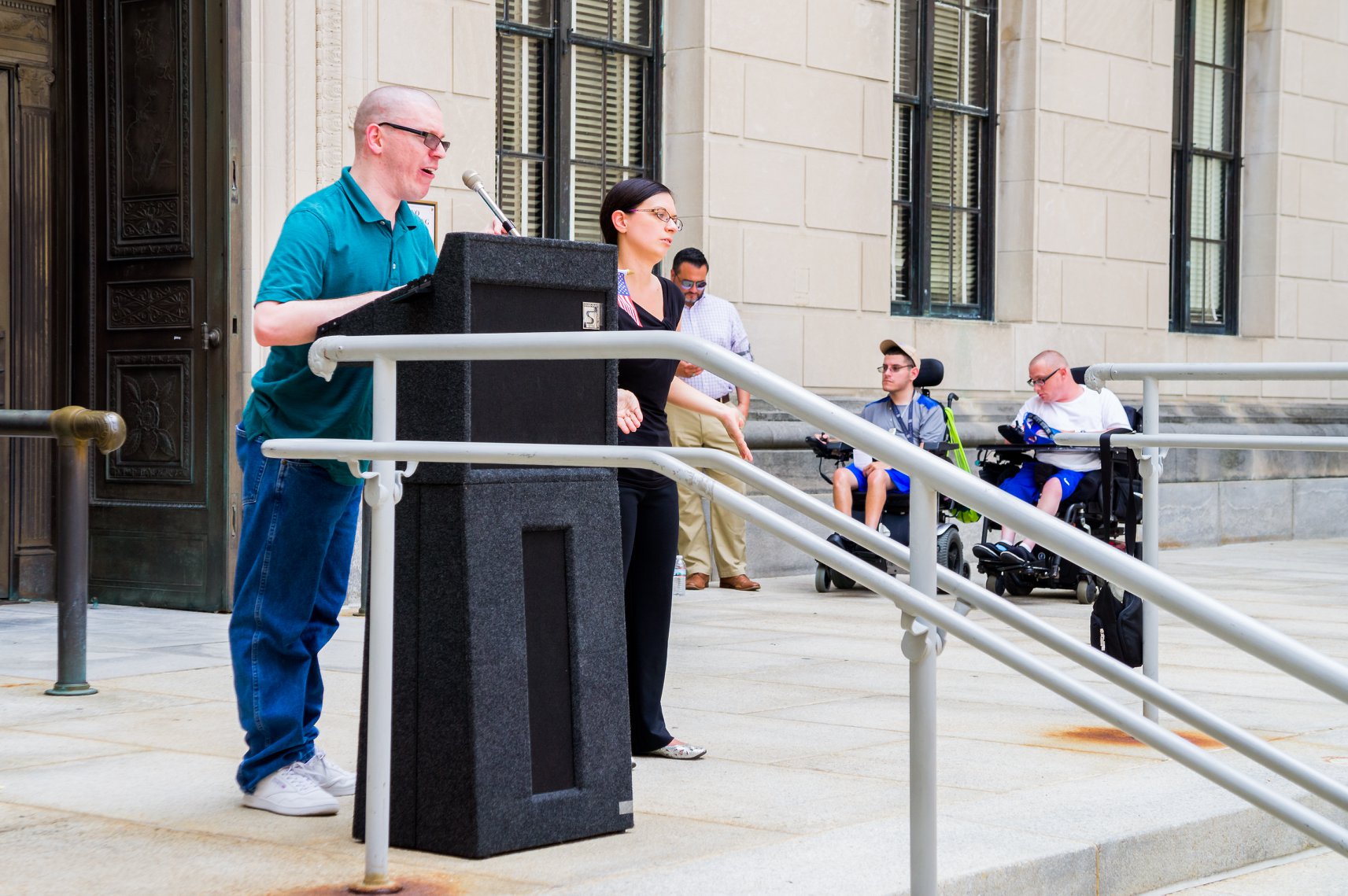
 The rally featured information tables and speeches by disability leaders and candidates running in this year’s congressional elections.

Tenants interacted with both during the event.